
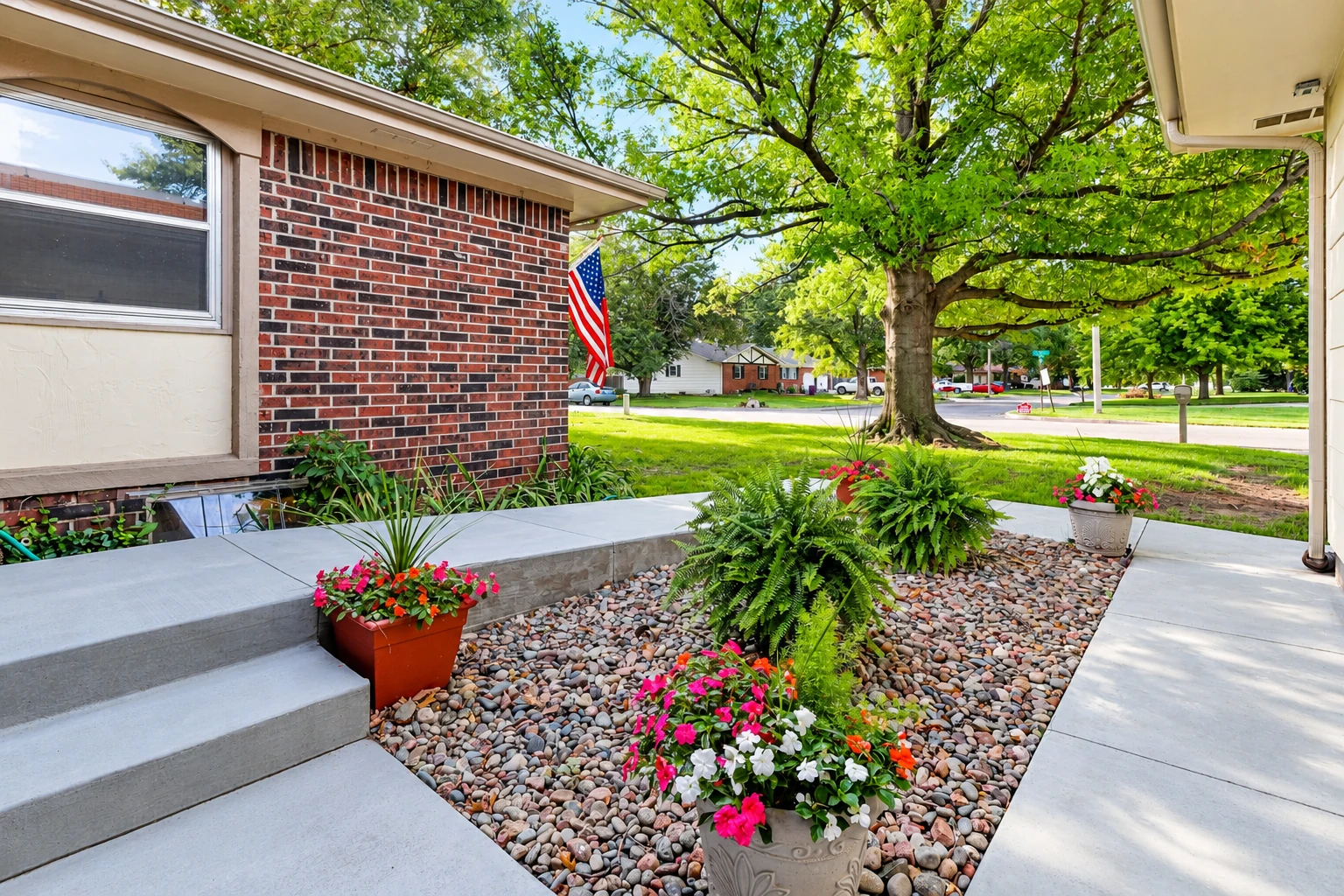
Concrete sidewalk building in Albany CA - a level walk built on firm ground
Cracked, lifted or sinking sidewalk in front of your house? We dig it out, firm up the ground and pour a level new walk.
Get your sidewalk job lined up
The permit comes before any pour date, so calling (341) 386-0182 or sending the form now gets your walk on the schedule sooner.
How do I replace the sidewalk in front of my house in Albany?
Concrete sidewalk building in Albany means tearing out the cracked or lifted walk beside your property and pouring a new one on firm, packed ground, so it sits level and sheds water instead of tripping people up.
Most calls start with a panel that's lifted, a crack that keeps spreading or a low spot where water sits after rain. The price moves with how much walk comes out, how much digging and base work the ground needs, and whether roots, steps or a driveway tie into it. The schedule turns on the city permit, the weather and curing, the wait while fresh concrete hardens before anyone uses it. Because the walk sits in the public right of way, we take care of the city permit before we set a pour date. When I come out, I'll give you your own price in writing.
Why Albany homeowners call Albany Concrete Works for sidewalks
I quote it and oversee it
I've run Albany Concrete Works since 2023, and I measure and write every estimate myself. I'm on site with our crew while we work, so the person who quoted your job sees it built.
Licensed, as Albany requires
Albany requires owners who choose to repair their sidewalk to have a licensed contractor do the work. We're licensed and fully insured, so that part's settled before anyone breaks ground.
City standards checked before scheduling
Albany sets standards for construction methods and materials used in the city, and I check what applies at your street before we schedule. Ask me how your walk will meet them.
On a sidewalk, the ground under the concrete decides how long it lasts. Tell us about your walk and I'll set a time to come look.
How we build a concrete sidewalk
Our crew breaks out the old walk and hauls it off. Then we dig out soft dirt and firm up the subgrade, the ground the slab sits on, because a walk poured on loose dirt settles right along with it. We set the forms so water runs toward the street and away from your house, and we pour early in the day so the heat doesn't leave a weak, dusty top. Next comes a broom finish, the light texture that keeps shoes from slipping when it's wet. We cut control joints, shallow grooves that give the slab a planned place to crack, before it has a chance to crack on its own. If the budget has to give somewhere, I'd cut the fancy surface before I'd cut the base, because you can redo a finish later but you can't fix a base that's already sinking without tearing the walk out.
Sidewalk jobs often sit next to other work. If the slab in your garage is cracking the same way, we can look at garage floor concrete on the same visit. If you'd like color or a pattern on the path up to your door, decorative concrete is where to start.
Replacing a few panels
This suits a walk where the damage is limited to a couple of squares. We cut out the bad panels at the joints and pour new ones that line up with the old walk.
A full new run
This suits a walk that's cracked, lifted or sunken along most of its length. One pour gives you an even surface and fresh joints from end to end.
Rebar where cars cross
Rebar, the steel bars set inside the slab, helps hold the concrete together if it does crack. It suits sections where cars cross the walk or roots push from below.
How do you know your sidewalk needs replacing?
Panels lifted at a seam
One square sits higher than the next, often pushed up by roots underneath. It's an easy place to trip, and the lift usually grows as the roots do.
Cracks running across panels
Cracks that wander through a panel instead of stopping at a joint usually mean the ground moved under it. Water gets in, and the pieces loosen and break up faster.
Sunken or tilted squares
A square that dips or tips usually sits on soft or washed-out ground. Water pools there after rain, and the low edge is where people catch a toe.
Chipping and a crumbling top
A rough, flaking surface often goes back to how the walk was poured or cured. Once the top wears through, the concrete under it breaks down faster and the fix gets bigger.
What happens after you call about your sidewalk?
Call and set the visit
Call (341) 386-0182 or send the form, and I'll come out to walk the sidewalk with you and take measurements. You get the price in writing before anything goes on the calendar.
Permit, prep and pour
Once you say go and the city permit is in place, we set the dates. Our crew tears out the old walk, preps the ground and pours, with me on site.
Clean up and walk it together
We clear the street and your yard before we leave and keep the new walk taped off while it cures. Then you and I walk the finished job together.
Sidewalk questions from Albany homeowners
Here are the questions Albany homeowners ask most before a sidewalk job. If you're in Berkeley, Oakland or another city nearby, ask about your own walk and I'll give you a straight answer.
Who is responsible for sidewalk repair in Albany, CA?
You are, if you own the property, because Albany makes the owner responsible for repairing and maintaining the sidewalk beside it. Albany voters also extended the city's sidewalk parcel tax, which publicly funds repairs to city sidewalks, so it's worth asking the city how that applies to your walk before you plan the job.
Do I need a permit to replace my sidewalk in Albany?
Yes. The City of Albany issues an encroachment permit for any work in the public right of way, and that includes replacing or repairing a sidewalk and building or widening a driveway approach, the paved strip from the street to your driveway. The application starts on the city's permitting portal, and we take care of it, or if you'd rather pull it yourself, I'll tell you what we need from you.
How much does a new concrete sidewalk cost in Albany?
In the San Francisco area, a concrete sidewalk usually costs about $5 to $12 per square foot, with materials, labor and site prep included. Your number depends on the size of the walk and the ground under it, and I'll put it in writing after I measure. Every job is backed by our satisfaction guarantee.
How do I keep tree roots from lifting a new sidewalk?
The two usual fixes are a root barrier along the walk or a base under the concrete that keeps roots out, and extension guidance on sidewalks near trees says either one extends a sidewalk's useful life. That guidance also says to have a qualified arborist on site for any root cutting, so ask who'll be there. We'll talk through which one fits your walk before we set the scope.
What causes a new concrete sidewalk to crack?
New concrete shrinks as it hardens and the ground under it moves, so some cracking is normal and the goal is to control where it happens. Joints create planned weak lines so the cracks form there instead of across the middle of a panel. Ask any contractor where the joints will go on your walk, because that's where it's meant to crack.
What is the best way to prepare the ground for a new sidewalk?
Water and compact the ground until it's stable, and dig out soft or spongy spots unless they dry first, which is what state highway guidance calls for. That matters around here because a large share of Alameda County's soil is expansive clay that swells and shrinks, though that figure covers the whole county. A soggy site may need drying time or extra digging before we pour.
Get a written price for your sidewalk
Send the walk's rough length and width, your address and a photo or two of the cracks or nearby roots. We'll reply within one business day to set up a free on-site estimate with no obligation.
Examples of concrete walks
Related concrete work at home
Garage floor concrete
If your garage slab has the same cracks, heaving or chipped surface as the walk out front, a new floor is worth pricing while we're there.
Learn moreDecorative concrete
For the path from the sidewalk to your door, color, texture or a pattern can give the entry a finished look that plain gray concrete doesn't.
Learn more